- The Penguin Magazine
- Posts
- Why Developing Countries Struggle With Wi-Fi Usage?
Why Developing Countries Struggle With Wi-Fi Usage?

Gerald Nibombe
March 02, 2025

People often visit countries that are not as established as the United States or other first-world countries. And the one of the trends that is common in these developing nations is that they struggle with established Wi-Fi. Wi-Fi is the biggest source of data technology we have nowadays and if you don’t have access to it you don’t have access to most technology devices and apps in the world. Some Might think it’s very pellucid to acquire but there are multiple factors that make it impossible for people to acquire it and today we will be covering parts of the world and the individual reasons as to why they lack access to that technological advancement.
Continental WIFI
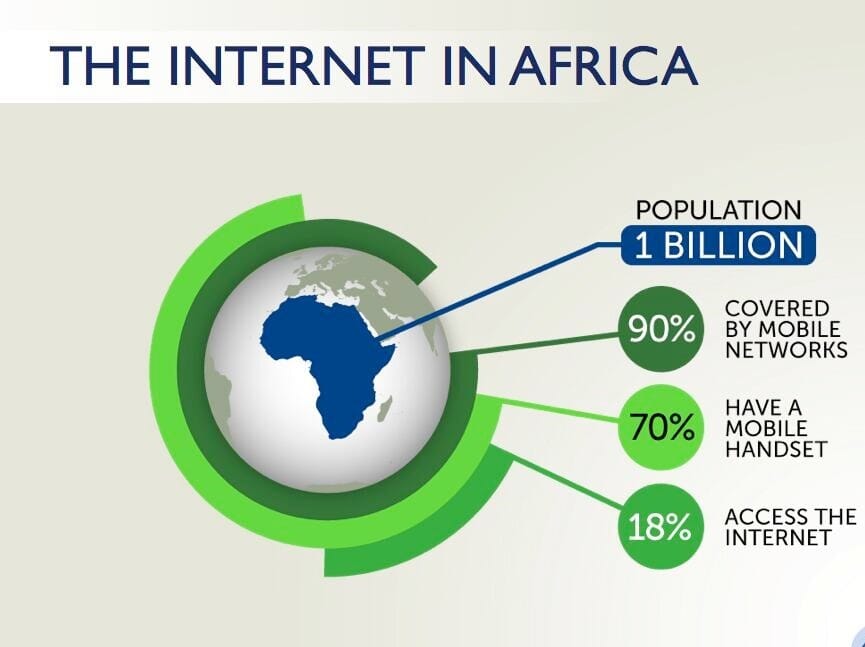
In some continents such as Africa and parts of Asia such as the northeast, a lot of countries have trouble with their Wi-Fi base. The root problem about these countries is that they struggle with electricity to start with, power outages almost every week in some countries make it incapable of running any Wi-Fi. The same countries also lack government funding making it impossible for Wi-Fi providers to create new ways to distribute Wi-Fi and generalized data to every single citizen.
Then there is also the financial aspect of things, countries that do not have a well-structured tax system have no way of providing money to allow internet access to their citizens they lack the funding and the support. Having the lack of internet access is a problem of its own but can also create multiple other negative effects, like struggle in communication which can hinder economic prosperity. On the educational side, they restrict students from having access to resources such as internet archives and multiple useful sources that students with Wi-Fi can access, that’s where the complication stems from when people claim a country has a low education system, they don’t really have a low education system they just have no access to resources that could be detrimental to their learning. While there are places like Wi-Fi cafes they can tend to be overwhelming and inefficient because of recurring payments every time Wi-Fi is used, plus limited time of usage and too small of a place to be occupied by everyone that requires Wi-Fi usage.
Satellite Influence and How It Can Solve This Problem
You’re most likely thinking can’t this problem be solved with satellites you would be right but the simple answer is greed. Most satellite group companies have launched efforts to bring about Wi-Fi and data globally but some of them just simply don’t care enough about their counterparts to offer them the connectivity countries like the U.S. has. Research also proves that satellites can help this problem without the need for any earthly measures like electric poles.
But even with the greed of most satellite companies, some seek to end this disparity by aiming to offer internet access to even the most isolated places in the world, and one those companies is Starlink which has come up with many processes that are able to solve this problem, including geostationary satellites, Leo satellites, Ground stations, and user terminals, all set to releasee some time in the near future hoping to cure the world of this separation in data connectivity.