- The Penguin Magazine
- Posts
- Why Music?
Why Music?

Gerald Nibombe
February 13, 2025
In partnership with

2,478 New LinkedIn Followers in 7 Days? (The Future Is Here)

Predict the future, dominate social media + PR, and gain up to 2478 new followers per week.
Yes, you read that right.
A new AI trend prediction and content distribution engine that actually works.
Absolutely absurd that we had to choose this headline. But these are real results from Pressmaster.ai users. So?
Discover at the link below:
How our latest proprietary trend engine works (with more than 500k data points connected to each account)
Why our users are getting amazing results with it (and how you can too)
Music, arguably The most revolutionary form of art of the past century. I mean just turn on some Mozart or some Han Sebastian Bach and anyone from the 20th century would go crazy. I’m pretty sure it’s not only them, turn on Guns and Roses or TOTO for your grandparents and they will go berserk!
It’s really fascinating what music has to offer and the continuous relationship with humans the form of art has, they call the dog man’s best friend but I would go as far as to call Music man’s second best friend. When you think about it though why is that? Why is music so prevalent amongst humans even when modern instruments weren’t a thing. How did this word develop a meaning of its own as to becoming a genre of multiple different styles that keep developing as humans evolve.
Brief History of Music
So according to archeological findings music has existed even before the formation of ancient civilizations. Apparently, even the neanderthal age had some people playing instruments. Dating back the oldest instrument we know to exist is a bone flute discovered in a cave found in Slovenia. Well the conclusion of the find was that Neanderthals were more humanistic than we thought.
I don’t know about you but that’s not really why I’m interested in the find. Of course ancient civilizations also had existing music instruments which are still in museums today, some of the more popular ones being the Harp and the Lyre. So from this historical context we can tell music has been a part of human history as long as humans existed. But music was never too big of an art for humans until the ages we know as the Baroque and Renaissance period humanity’s biggest Leap towards what I would call music composition.
The baroque & Classical Music Era
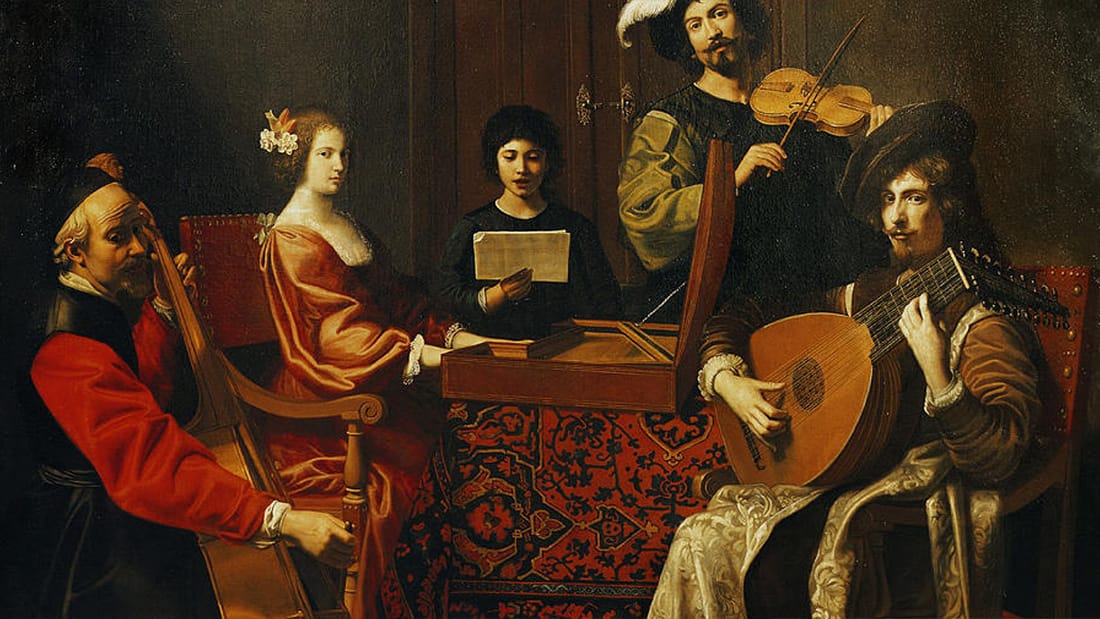
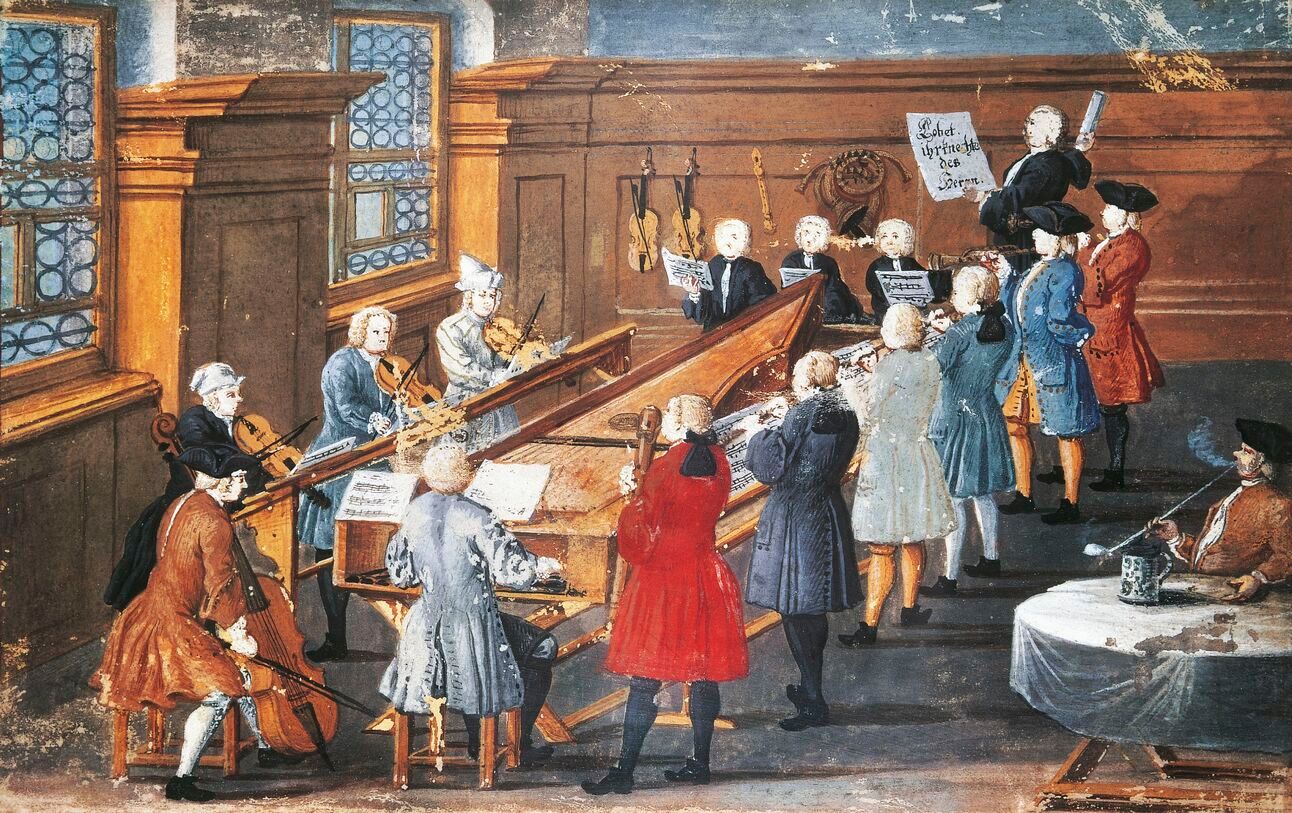
History in a music article? Yes bear with it, as much as me and you both want to read about music more than history, you can’t talk about the development of music and what it is today without touching up on these two periods. The baroque period is one of my favorite periods of music really only because of the style of music that was upheld in this time period. Everyone has different tastes in music, if you like upbeat and dramatic music this era is the best for you historically.
This era of, music is known for it’s grandiose, dramatic and energetic spirit. It includes music centering from the grand opera to a more intimate style of chamber music. Stylistically it also had some of the best solo and ensemble choral composers in music history such as Claudio Monteverdi, Antonio Vivaldi and Johann Sebastian Bach himself. Some of the most popular piece of music still played today from that period would be, the infamous Four Seasons composed by Antonio Vivaldi and Brandenburg Concertos composed by Sebastian Bach.
The classical period personally I think the classical period is pretty ambient, when people think about it they turn their biases to a calming style of musical composition. Probably the biggest jump in the organization of music composition. Where composers placed an emphasis on clear beginnings middle parts and endings of specific music. Melodies became more tuneful and homophonic and composers placed an emphasis on dynamic marks to make an emotional affect, which certainly it did.
Some of it’s more prominent composers are so relevant they’re known by even people that have no interest in music at all. They include, Wolfgang Amadeus Mozart and Ludwig Van Beethoven. This era’s more popular pieces of music include the famous Symphony number 5 and the Surprise Symphony. Some of who people would call the most intelligent composers ever in music history who undoubtedly deserve this title.

Music Tech
After touching up on so many music history lets talk about advancements in music, technology upbringing that made it possible for new music genres to emerge. In the early ages music was a luxury, accessing opera events or orchestras was for the wealthy , but with technological advancements like the radio music was available for everyone. With the advancement of technology there always seems to be a new genre created, for example the electric guitar when people think about that they think about genres like rock, synthesizers which were created in the late 20th century helping music producers create new sounds that weren’t even available the past century.
Digital audio work stations who allow people to create music at home without even the worry of needing instruments to compose. Even music streaming services which I personally think are genius but still charge you, completely opposing the use of earlier inventions like the radio. So to say, we know that the more technology advances the more ways there is to create music, necessarily making is easier for anyone to compose music without needing to be a genius like the composers in the Baroque and classical era.

Psychology in Music
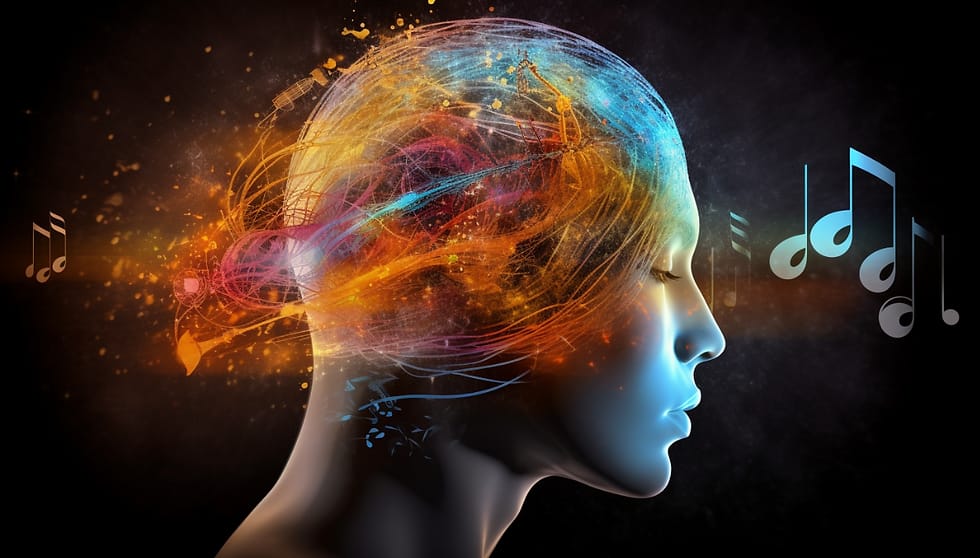
Here is the part I know every single one of you guys are here for, how does music affect our brain. Why does music spark certain feelings in us humans, how does music play such an important role in our lives, why is it such a motivator, all these questions are related to how our brain operates when it senses a single sound of music. Music has a profound ability to evoke certain emotions dependent on the type of music consumed. Music is also said to be an effect in neural transmissions, music can evoke the transmission of dopamine and serotonin, both neurotransmitters known for releasing feelings of pleasure and accomplishment.
Music is also known as a form of therapy and multiple forms of copping. It’s known for helping cope with multiple mental illnesses as anxiety, depression and PTSD. Furthermore research proves it’s ability to increase cognitive efficiency, it helps improve memory, spatial skills and problem solving skills, that goes to say music education can make people potentially smarter. Music overtime has been known as a community builder bringing together people in with a sense of cohesion. Overall music has shown it’s impact on human psychology as well as human life in general, it shows it’s benefits in helping our mental health and the progression of our brain. As someone told me before if you think you don’t like reading then think again becuase there is a book out there for everyone. So if you think music is not for you then think again because there is a song out there for everyone.